


Views: 0 Author: Site Editor Publish Time: 2025-12-23 Origin: Site


Wastewater treatment is a critical process that ensures environmental protection, public health, and the sustainability of water resources. Efficient operation of wastewater treatment plants (WWTPs) is essential to meet regulatory standards, minimize energy consumption, and reduce operational costs. In this article, we will explore practical tips and best practices that can help wastewater treatment plant operators optimize performance, increase efficiency, and maintain a sustainable operation.
One of the most crucial aspects of efficient wastewater treatment is regular maintenance of the equipment. Wastewater treatment plants rely on various complex systems such as pumps, blowers, valves, and motors. Regular inspections and maintenance ensure that these systems run smoothly and efficiently.
Preventative Maintenance: Implement a preventative maintenance program that includes routine checks and servicing of key equipment. Regular lubrication, cleaning, and replacing worn-out parts can extend the lifespan of equipment and avoid costly downtime.
Monitor Performance: Use automated monitoring systems to track equipment performance and detect any inefficiencies. Vibration analysis, temperature monitoring, and performance benchmarks can help identify potential issues before they cause system failures.
By investing in regular maintenance, you can reduce the frequency of repairs, extend the life of equipment, and keep the plant running at optimal capacity.
Energy consumption in wastewater treatment plants (WWTPs) can account for a significant portion of operating costs. Given that wastewater treatment plants are essential to maintaining environmental health, optimizing energy use not only reduces operational expenses but also contributes to the plant's sustainability. Here are a few key strategies for optimizing energy consumption:
Aeration Efficiency: Aeration is one of the most energy-intensive processes in WWTPs. Aeration systems are responsible for supplying oxygen to bacteria that break down organic matter in the water. To optimize energy use, consider upgrading to energy-efficient blowers or integrating variable speed drives (VSDs). VSDs allow the blower's speed to adjust according to real-time air demand, significantly reducing energy consumption when the system is running below full capacity. By matching the airflow to the actual need, energy usage can be reduced without compromising the treatment process.
Heat Recovery: The anaerobic digestion phase, in particular, generates a significant amount of heat. This heat can be recovered and repurposed to pre-heat incoming wastewater or for other energy-consuming processes within the plant. By implementing a heat recovery system, energy used for heating or other treatments can be substantially reduced, lowering energy costs and improving overall plant efficiency.
Use of Renewable Energy: Many modern WWTPs are integrating renewable energy sources, such as solar panels or biogas generation, to power their operations. Solar panels can offset electricity costs by providing clean, renewable energy, while biogas, a byproduct of the anaerobic digestion process, can be used to generate electricity or heat for the plant. These sustainable energy sources help reduce reliance on traditional electricity grids, cutting operational costs and promoting environmental sustainability.
Implementing these energy-saving strategies not only reduces operational costs but also helps align the plant’s operations with green energy standards and environmental regulations, contributing to a cleaner, more sustainable future.
Advanced Process Control (APC) systems are designed to optimize the treatment process by adjusting parameters in real-time to improve performance and efficiency. These systems use data from sensors to monitor critical variables, such as chemical dosing, flow rates, and aeration levels.
Data-Driven Decisions: By utilizing sensors and data analytics, APC systems can provide operators with real-time insights into plant performance. This data can be used to make quick adjustments to optimize chemical dosing, aeration, and sludge treatment, reducing waste and improving the quality of the effluent.
Automated Control: Implementing automated control systems can reduce the need for manual intervention and improve the consistency of the treatment process. With predictive algorithms, APC systems can anticipate changes in flow rates or influent quality, allowing for more efficient treatment without overloading the system.
APC systems are valuable tools for improving the overall efficiency of the treatment plant, reducing energy consumption, and ensuring that regulatory discharge standards are met consistently.
Sludge handling and disposal is a significant aspect of wastewater treatment operations. Effective sludge management is essential for reducing disposal costs, improving plant efficiency, and meeting environmental regulations. Here are some ways to optimize sludge management:
Thickening and Dewatering: Thickening and dewatering processes can help reduce the volume of sludge and make it easier to handle. Modern dewatering technologies, such as centrifuges or belt filter presses, are more energy-efficient and capable of handling higher volumes of sludge.
Sludge Stabilization: Stabilizing sludge through processes like anaerobic digestion or aerobic digestion can reduce the volume of organic material and lower odors. Anaerobic digestion also produces biogas, which can be used to generate electricity, creating a sustainable energy source for the plant.
Reuse and Recycling: In some cases, treated sludge can be used as a fertilizer or soil amendment. By converting sludge into a resource, wastewater treatment plants can reduce waste and potentially generate revenue.
Optimizing sludge management not only improves plant efficiency but also reduces the environmental impact and operational costs associated with disposal.
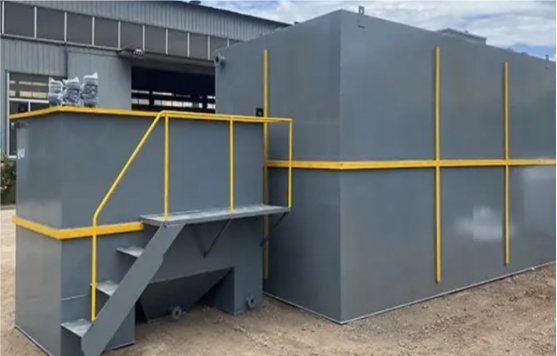
Chemical dosing is often necessary for processes such as coagulation, flocculation, and disinfection. However, excessive chemical usage can lead to higher costs and environmental impacts. To optimize chemical use:
Accurate Dosing: Use automated chemical dosing systems that adjust the amount of chemicals based on the influent quality and flow rate. These systems ensure that only the necessary amount of chemicals is added, minimizing waste and reducing costs.
Alternative Chemicals: Explore the use of more environmentally friendly chemicals, such as natural coagulants, that are just as effective but less harmful to the environment. This can also improve the sustainability of the treatment plant.
Regular Testing and Monitoring: Regularly test the influent and effluent to ensure that chemical dosages are appropriate. Overuse or underuse of chemicals can result in poor treatment efficiency or excessive chemical discharge into the environment.
By reducing chemical usage without compromising the quality of treatment, wastewater treatment plants can lower costs and enhance their environmental performance.
Even with the best equipment and processes in place, the efficiency of a wastewater treatment plant heavily depends on the expertise of its operators. Ensuring that your operators are well-trained and equipped with the knowledge to make data-driven decisions is crucial for plant optimization.
Ongoing Training: Provide regular training for your operators on the latest technologies, process improvements, and safety procedures. This will help them stay up-to-date and make informed decisions during their daily tasks.
Clear Communication: Encourage clear communication among the team to ensure that issues are identified and addressed promptly. An effective communication system helps prevent problems from escalating and ensures that plant operations run smoothly.
Investing in operator training not only improves plant efficiency but also helps maintain a safe working environment.
As wastewater treatment plants are essential for protecting water resources, it’s important to focus on sustainability and meet all regulatory requirements for environmental protection. Ensuring that the plant is compliant with local and international environmental standards is critical for avoiding fines and maintaining public trust.
Minimize Energy Consumption: Implement energy-saving technologies, such as energy-efficient motors, heat recovery systems, and renewable energy sources, to reduce the environmental footprint of the plant.
Effluent Quality Monitoring: Regularly monitor the effluent quality to ensure it meets environmental discharge standards. Non-compliance with discharge limits can lead to significant fines and environmental damage.
By prioritizing sustainability and environmental compliance, wastewater treatment plants can contribute to the overall health of the environment while ensuring regulatory adherence.
Efficient operation of a wastewater treatment plant is essential to ensure the effective treatment of wastewater while minimizing costs and environmental impact. By focusing on regular maintenance, energy optimization, advanced process control, and sludge management, plant operators can significantly improve efficiency and performance. Additionally, using the right chemicals, ensuring proper operator training, and meeting environmental compliance are essential for long-term sustainability.
At www.econovaenv.com, we provide cutting-edge solutions for wastewater treatment plants to help improve operational efficiency, reduce costs, and ensure compliance with environmental regulations. For more information about how we can support your plant’s operations, contact us today. Our team is ready to provide expert advice and customized solutions tailored to your specific needs.
How can I optimize energy consumption at my wastewater treatment plant?
Implement energy-efficient blowers, use renewable energy sources, and optimize aeration systems to reduce energy consumption.
What are the key factors to consider when choosing a wastewater treatment process?
Consider the type of wastewater, flow rate, regulatory compliance, and cost-effectiveness when selecting the appropriate treatment process.
How can I reduce chemical usage in wastewater treatment?
Use automated chemical dosing systems, explore alternative chemicals, and regularly monitor influent and effluent quality to minimize overuse.
What are the best practices for sludge management in wastewater treatment plants?
Use dewatering systems, stabilize sludge through anaerobic digestion, and explore opportunities for reuse or recycling to reduce waste and generate resources.


