


Views: 0 Author: Site Editor Publish Time: 2026-01-07 Origin: Site


Industrial wastewater treatment is a critical process that ensures wastewater from industrial operations is properly treated before it is released into the environment or reused. With increasing concerns over environmental sustainability and public health, treating industrial wastewater is more important than ever. In fact, improper disposal of untreated wastewater can lead to severe environmental damage, including pollution of rivers, lakes, and oceans, as well as harming aquatic life and the surrounding ecosystem.
At www.econovaenv.com, we specialize in providing advanced industrial wastewater treatment solutions to help industries meet environmental regulations and optimize water usage. Our cutting-edge technologies and systems are designed to offer efficient, sustainable, and cost-effective solutions for industries of all sizes. In this article, we will explore what industrial wastewater treatment is, why it is essential, and the different methods used to treat wastewater in industrial settings.
Whether you are in the manufacturing, chemical, or food processing industry, understanding wastewater treatment is crucial for minimizing your environmental footprint, meeting regulatory compliance, and improving operational efficiency. The first step in this process is understanding what industrial wastewater is and why it requires special treatment.
Industrial wastewater refers to the water that has been contaminated by industrial processes. This water may contain various pollutants, including chemicals, heavy metals, oils, grease, and other harmful substances depending on the type of industry. For example, in the food processing industry, wastewater may contain organic materials such as fats, oils, and food particles, while in the chemical industry, wastewater may be contaminated with toxic chemicals or solvents.
Unlike domestic wastewater, which primarily contains organic waste and sewage, industrial wastewater often contains a wide range of contaminants that require specialized treatment to remove. Industrial wastewater treatment processes are therefore more complex and varied than those used in municipal sewage systems.
Treating industrial wastewater is vital for several reasons:
Environmental Protection: Improper disposal of untreated wastewater can contaminate local water bodies, harm aquatic life, and pollute drinking water sources.
Regulatory Compliance: Many countries have strict environmental regulations governing the discharge of industrial wastewater. Failure to comply with these regulations can result in hefty fines, legal consequences, and damage to a company’s reputation.
Sustainability: Efficient wastewater treatment allows industries to reuse water in their processes, which conserves water resources and reduces operational costs.
Public Health: Contaminated wastewater can lead to serious health problems if not treated properly. Ensuring that wastewater is cleaned reduces the risk of waterborne diseases and protects surrounding communities.
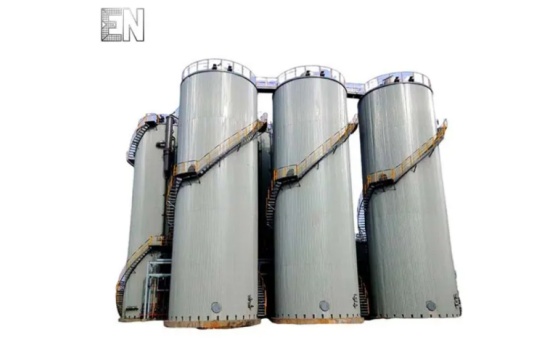
There are various methods of treating industrial wastewater, and the choice of treatment depends on factors such as the nature of the wastewater, the level of contamination, and the required quality of the treated water. Below are the primary methods used in industrial wastewater treatment:
Physical treatment is the first line of defense in wastewater management, primarily aimed at removing solid contaminants from wastewater through physical means. These processes are essential for handling wastewater with large particles, oils, and debris before further treatment is applied. Physical methods are quick, easy to implement, and highly effective at removing visible solids. The most common physical treatment methods include:
Sedimentation: This process uses gravity to separate heavier particles from the water. In a sedimentation tank, wastewater is allowed to settle for a certain period. During this time, the heavier solids sink to the bottom of the tank, while the clearer water rises to the top. The sediment that accumulates at the bottom can then be removed. Sedimentation is an efficient and simple method for treating wastewater, especially for those with suspended solids, silt, or sand.
Filtration: Filtration involves passing water through a medium, such as sand or activated charcoal, that captures suspended particles. The water then exits the filter, leaving the contaminants behind. Filtration can be used as a standalone treatment for removing particulate matter or as a secondary step after sedimentation to ensure the removal of finer particles.
Flotation: Flotation works by introducing air bubbles into the wastewater. These bubbles attach to fine particles, including oils and grease, lifting them to the surface. The particles can then be skimmed off, leaving cleaner water beneath. This method is particularly effective for treating wastewater that contains oils, fats, or other light materials, which may not settle out easily in a sedimentation tank.
These physical treatments form the foundational step in wastewater processing, making it easier for subsequent treatment stages, such as chemical or biological processes, to operate more effectively.
Chemical treatment is a vital process for neutralizing contaminants or facilitating the removal of dissolved pollutants. Unlike physical treatment, which removes particles, chemical treatment addresses chemical and molecular contaminants in the water. Common chemical treatments include:
Coagulation and Flocculation: In coagulation, chemicals are added to wastewater to destabilize colloidal particles, causing them to aggregate into larger clusters known as flocs. In the subsequent flocculation step, the flocs grow larger and become easier to remove. This method is often used for wastewater that contains fine, suspended particles that do not settle easily in sedimentation tanks.
Chemical Precipitation: This method is employed to remove dissolved metals or chemicals from the wastewater. Specific chemicals are introduced into the water that react with the contaminants to form solid precipitates. These precipitates can then be removed from the water through sedimentation or filtration. Chemical precipitation is often used for wastewater containing heavy metals like cadmium, lead, or zinc.
Neutralization: Some industrial wastewater streams are highly acidic or alkaline, which can be harmful to the environment and difficult to treat. Neutralization involves adding chemicals to adjust the pH level of the wastewater. For example, acid wastewater can be treated by adding a base like lime to raise the pH, making it safe for discharge or further treatment. This method ensures that the wastewater is not too caustic or corrosive when released into the environment.
Chemical treatments are essential for eliminating dissolved contaminants that physical methods can't address. However, the process must be carefully controlled to prevent excessive use of chemicals, which can lead to the creation of new pollutants or environmental hazards.
Biological treatment uses microorganisms to break down organic matter in wastewater. This is often used in industries such as food processing or pharmaceuticals, where organic contaminants are prevalent. The two main types of biological treatment are:
Activated Sludge: A process where microorganisms are added to the wastewater in an aeration tank to break down organic contaminants. The treated water is then separated from the activated sludge.
Bioreactors: A closed system where wastewater is treated by microorganisms in a controlled environment.
Biological treatment is an environmentally friendly method of wastewater treatment that can achieve high removal rates for organic contaminants.
For wastewater with high levels of contaminants or for industries with strict discharge regulations, advanced treatment methods may be necessary. These methods include:
Reverse Osmosis: A filtration process that removes dissolved solids, including salts, heavy metals, and chemicals, from wastewater by passing it through a semi-permeable membrane.
UV Disinfection: Using ultraviolet light to disinfect the water, killing bacteria, viruses, and other pathogens.
Electrocoagulation: A process where electric current is passed through the wastewater to destabilize particles and remove them.
These advanced methods are typically used when high-purity water is required or when dealing with particularly challenging contaminants.
Treatment Type | Key Benefits | Typical Applications |
Physical Treatment | Removes large particles and oils | Initial treatment, pre-treatment for further processing |
Chemical Treatment | Neutralizes contaminants and removes dissolved chemicals | Heavy metals, pH balancing, industrial chemicals |
Biological Treatment | Breaks down organic waste using microorganisms | Organic wastewater, food processing, pharmaceutical |
Advanced Treatment | High-quality treatment for complex contaminants | High-purity water, strict discharge requirements |
Industrial wastewater treatment is essential for both environmental protection and regulatory compliance. By using the appropriate treatment methods, industries can minimize their environmental impact, reduce operational costs, and improve the sustainability of their operations. Whether through physical, chemical, biological, or advanced treatment processes, there are solutions available for nearly every type of industrial wastewater.
At www.econovaenv.com, we specialize in providing efficient and effective industrial wastewater treatment solutions. Our products and systems are designed to help you optimize water use, meet regulatory standards, and ensure that your wastewater is properly treated. For more information on our solutions, visit www.econovaenv.com.
1. What is the most common method of treating industrial wastewater?
The most common methods include physical treatment (e.g., filtration and sedimentation), chemical treatment (e.g., coagulation), and biological treatment (e.g., activated sludge).
2. How often should industrial wastewater be treated?
The frequency of wastewater treatment depends on the volume of wastewater produced and the level of contaminants. Generally, continuous or periodic treatment is required.
3. Can industrial wastewater be reused?
Yes, after proper treatment, industrial wastewater can often be reused in certain processes, reducing the demand for fresh water.
4. How can I determine the best treatment method for my industry?
It’s important to conduct a thorough analysis of your wastewater's composition and the discharge regulations in your area. Consult with experts in industrial wastewater treatment to identify the most effective solution for your specific needs.


