


Views: 0 Author: Site Editor Publish Time: 2025-12-16 Origin: Site


Wastewater treatment plays a crucial role in maintaining the health of our environment. As populations grow and industrial activities increase, more water is used and subsequently contaminated. The discharge of untreated wastewater into natural bodies of water can lead to severe environmental issues, affecting everything from ecosystems to public health. Effective wastewater treatment mitigates these risks, ensuring that water remains safe for both human and environmental health. In this article, we will explore the significance of wastewater treatment and how it contributes to environmental sustainability, public safety, and resource conservation.
Wastewater treatment refers to the process of removing contaminants from water before it is discharged back into natural water systems or reused. The treatment process can include physical, chemical, and biological methods to eliminate pollutants such as solids, bacteria, and chemicals from the water. Typically, this process occurs in a series of stages that aim to make the water safe for release into the environment or for reuse in other applications.
The main stages of wastewater treatment include:
Primary Treatment: This stage focuses on removing large solids and debris from the wastewater through physical processes such as filtration or sedimentation.
Secondary Treatment: In this stage, organic matter and dissolved substances are further broken down using biological processes, such as bacterial digestion.
Tertiary Treatment: This advanced stage removes remaining contaminants, including nutrients like nitrogen and phosphorus, which could harm the environment if released in large quantities.
Each stage plays a critical role in ensuring that wastewater is treated effectively and safely.
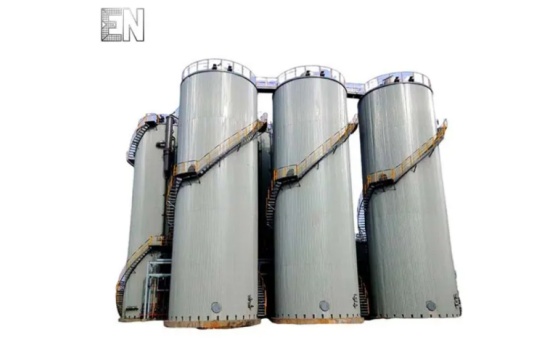
One of the most important reasons for wastewater treatment is its role in protecting aquatic ecosystems. Aquatic ecosystems, which include rivers, lakes, and oceans, provide vital habitats for countless species of fish, plants, and other organisms. However, when untreated wastewater is released into these water bodies, it can dramatically degrade the quality of the water, leading to severe ecological damage. Untreated wastewater contains harmful pollutants that can disrupt the balance of these ecosystems, often causing irreversible harm. Some of the key pollutants include chemicals, pathogens, and excessive nutrients.
Eutrophication
One of the most common consequences of untreated wastewater is eutrophication, a process in which excessive nutrients, particularly nitrogen and phosphorus, are introduced into aquatic environments. These nutrients, often from agricultural runoff or untreated sewage, promote the rapid growth of algae in water bodies. While algae growth may seem natural, an overgrowth, often referred to as algal blooms, depletes the oxygen in the water, creating "dead zones" where aquatic life cannot survive. The lack of oxygen in these zones results in the death of fish and other aquatic organisms, severely affecting biodiversity and disrupting the entire food chain.
Toxic Contaminants
Another significant issue with untreated wastewater is the presence of toxic contaminants, including chemicals, heavy metals, and pharmaceutical residues. These pollutants are harmful to aquatic life, as they can poison aquatic organisms, disrupt their reproductive cycles, and even cause genetic mutations over time. For example, heavy metals like mercury, lead, and cadmium can accumulate in the bodies of aquatic species, ultimately making their way into the human food chain when these species are consumed. This bioaccumulation can have severe health consequences for humans and wildlife alike, impacting ecosystems and food security.
Pathogens
Untreated wastewater often contains harmful microorganisms, including bacteria, viruses, and protozoa, which can infect aquatic species and humans. Waterborne diseases such as cholera, dysentery, and typhoid fever are commonly transmitted through contaminated water, posing significant public health risks. These pathogens not only threaten aquatic organisms but also impact human populations that depend on these water bodies for drinking, bathing, and agricultural activities. By treating wastewater, we can significantly reduce the risk of pathogen transmission, thereby protecting both aquatic ecosystems and human health.
Through effective wastewater treatment, we can remove these harmful pollutants from wastewater, restoring the health of our rivers, lakes, and oceans. This is critical for maintaining biodiversity and ensuring the sustainability of fisheries and other aquatic resources that people depend on for food and livelihood.
The discharge of untreated wastewater into water bodies presents a major public health risk. Waterborne diseases, such as cholera, dysentery, hepatitis, and typhoid fever, are often spread through contact with contaminated water. In many developing countries, untreated wastewater is a primary source of these diseases, particularly in areas with limited or no access to proper sanitation facilities. The lack of proper wastewater treatment exacerbates these issues, leading to widespread illness and even death.
Preventing Waterborne Diseases
By properly treating wastewater before it is released back into the environment, we can ensure that the water remains free from harmful pathogens. Treatment processes such as filtration, biological treatment, and chemical disinfection remove or neutralize these dangerous microorganisms, significantly reducing the risk of disease transmission. This not only protects human health but also safeguards the health of animals and wildlife that depend on clean water for drinking, bathing, and breeding.
Impact on Communities
In communities that lack adequate wastewater treatment systems, untreated sewage often contaminates drinking water sources, making clean water scarce. This can lead to outbreaks of diseases, particularly in areas with dense populations and limited healthcare resources. Moreover, waterborne diseases place a significant burden on healthcare systems, causing lost productivity, increased medical costs, and a reduced quality of life. By investing in wastewater treatment infrastructure, communities can drastically reduce the incidence of waterborne diseases and improve public health outcomes.
In addition to improving water quality, wastewater treatment plays a crucial role in conserving water resources. With global freshwater supplies under pressure from population growth and climate change, the reuse of treated wastewater has become an increasingly viable option. Treated wastewater can be used for a variety of non-potable purposes, such as:
Agricultural irrigation: Treated wastewater can provide a reliable water source for farming, reducing the demand for freshwater in agricultural activities.
Industrial processes: Many industries use water in their operations. By using treated wastewater, industries can reduce their reliance on natural water sources.
Landscape irrigation: Treated water can be used to irrigate parks, golf courses, and other green spaces, conserving potable water for drinking and household use.
Wastewater treatment thus not only protects the environment but also helps mitigate water scarcity by creating a sustainable loop of water reuse.
Wastewater contains more than just harmful bacteria and nutrients; it also often carries pollutants such as heavy metals, toxic chemicals, and organic matter that can contribute to pollution. If left untreated, these pollutants can spread to the soil, air, and water, leading to long-term environmental damage. For example:
Chemical pollutants: These can leach into groundwater, affecting drinking water supplies and harming wildlife.
Methane emissions: Untreated wastewater in landfills and sewage systems can produce methane, a potent greenhouse gas that contributes to climate change.
By treating wastewater before it is released, we reduce the presence of these pollutants in the environment, thereby limiting their negative impact on public health and the planet.
Effective wastewater treatment can lead to significant economic benefits for communities and industries. Clean water is essential for agricultural productivity, industrial operations, and even tourism. Contaminated water can reduce crop yields, damage industrial machinery, and even decrease property values in affected areas.
Investing in wastewater treatment systems helps maintain water quality, which in turn supports the economy by ensuring that agricultural, industrial, and residential activities can continue without interruption. Furthermore, the reuse of treated wastewater can reduce the cost of freshwater procurement, making water more affordable and accessible for both businesses and households.
The United Nations has recognized the importance of wastewater treatment in its Sustainable Development Goals (SDGs), particularly in Goal 6: Clean Water and Sanitation. Proper wastewater management not only improves public health but also supports environmental sustainability, poverty reduction, and overall development.
Sustainable wastewater treatment practices involve reducing energy consumption, improving the efficiency of treatment processes, and promoting the reuse of treated water. These efforts contribute to the long-term health of both local communities and the global environment, helping create a sustainable future for all.
In conclusion, wastewater treatment is a critical component in protecting our environment, improving public health, and conserving vital water resources. As populations grow and industries expand, the need for effective wastewater management will only increase. By investing in efficient and sustainable wastewater treatment technologies, we can ensure that water remains safe, clean, and available for future generations.
At www.econovaenv.com, we are committed to providing innovative wastewater treatment solutions that help businesses and municipalities meet their environmental and operational goals. Our team of experts is dedicated to delivering sustainable water treatment options that benefit both the environment and your bottom line.
If you're looking for effective wastewater treatment solutions for your business, feel free to reach out to us. We can help you design a system tailored to your needs, ensuring that your operations are environmentally responsible and cost-effective. Let us work with you to create a sustainable future.


