


Views: 0 Author: Site Editor Publish Time: 2025-10-03 Origin: Site


Volatile Organic Compounds (VOCs) are a significant concern in both indoor and outdoor environments due to their potential health effects and contribution to air pollution. Understanding what constitutes an acceptable level of VOCs is crucial for environmental protection and public health. This article delves into the complexities of VOCs, their acceptable levels, and the role of technologies like the VOC Concentrator in managing these compounds. We will explore the impact of VOCs on health, the environment, and the regulatory standards that guide their acceptable concentrations.
VOCs are organic chemicals that have a high vapor pressure at room temperature. This characteristic allows them to evaporate easily into the air, contributing to indoor and outdoor air pollution. Common sources of VOCs include industrial processes, vehicle emissions, and household products such as paints and cleaning agents. The concentration of VOCs outdoors can vary significantly depending on factors such as industrial activity and traffic density.
Exposure to VOCs can lead to a range of health effects, from short-term symptoms like headaches and dizziness to long-term impacts such as liver and kidney damage. Some VOCs are also known carcinogens. The severity of health effects depends on the concentration of VOCs and the duration of exposure. Therefore, maintaining VOC levels within acceptable limits is essential for protecting public health.
VOCs play a significant role in the formation of ground-level ozone and smog, which are major components of air pollution. These compounds can react with nitrogen oxides in the presence of sunlight to form ozone, a harmful air pollutant. This not only affects air quality but also contributes to climate change by acting as greenhouse gases. Thus, controlling VOC emissions is crucial for environmental protection.
Various regulatory bodies have established standards for acceptable levels of VOCs to mitigate their adverse effects. In the United States, the Environmental Protection Agency (EPA) sets guidelines for VOC emissions in both indoor and outdoor environments. These standards are designed to protect human health and the environment by limiting the concentration of VOCs in the air.
Indoor air quality standards for VOCs are primarily focused on residential and commercial buildings. The EPA recommends maintaining VOC levels below 500 micrograms per cubic meter to minimize health risks. This involves using low-VOC products and ensuring adequate ventilation in indoor spaces.
For outdoor environments, the EPA has established National Ambient Air Quality Standards (NAAQS) for ozone, which is a secondary pollutant formed from VOCs. The NAAQS for ozone is set at 70 parts per billion (ppb) averaged over eight hours. This standard aims to protect public health and the environment by reducing the concentration of ozone and its precursors, including VOCs.
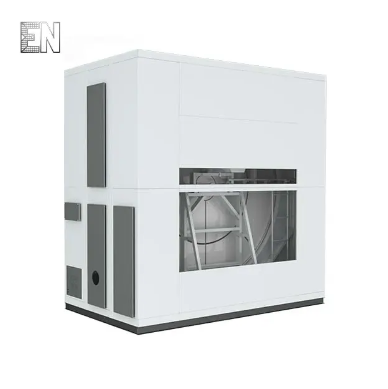
To effectively manage VOC emissions, various technologies have been developed. One such technology is the VOC Concentrator, which is designed to capture and concentrate VOCs from industrial emissions. This technology is particularly useful in industries with high VOC emissions, such as petrochemical and manufacturing sectors.
VOC Concentrators use adsorption materials, such as zeolite, to capture VOCs from exhaust streams. The captured VOCs are then desorbed and concentrated for further treatment or disposal. This process not only reduces VOC emissions but also enhances the efficiency of subsequent treatment technologies, such as thermal oxidizers.
The use of VOC Concentrators offers several benefits, including improved air quality, reduced environmental impact, and compliance with regulatory standards. By concentrating VOCs, these devices reduce the volume of air that needs to be treated, leading to lower energy consumption and operational costs. Additionally, they help industries meet stringent emission standards, thus avoiding potential fines and penalties.
Several industries have successfully implemented VOC Concentrators to manage their emissions. For instance, a petrochemical plant in Texas reported a 95% reduction in VOC emissions after installing a VOC Concentrator. Similarly, a manufacturing facility in California achieved compliance with state emission standards by using this technology, resulting in significant cost savings and improved air quality.
Despite their benefits, implementing VOC Concentrators can present challenges, such as high initial costs and maintenance requirements. However, these challenges can be mitigated through careful planning and the use of advanced materials and technologies. For example, the integration of intelligent monitoring systems can enhance the efficiency and reliability of VOC Concentrators, reducing maintenance costs and downtime.
In conclusion, understanding and managing VOCs is essential for protecting human health and the environment. By adhering to regulatory standards and utilizing technologies like the VOC Concentrator, industries can effectively reduce VOC emissions and contribute to a cleaner, healthier environment. Continued research and innovation in this field will be crucial for developing more efficient and cost-effective solutions for VOC management.
1. What are VOCs?
VOCs are volatile organic compounds that easily evaporate into the air, contributing to air pollution and potential health risks.
2. Why are VOCs harmful?
VOCs can cause health issues ranging from short-term symptoms like headaches to long-term effects such as organ damage and cancer.
3. What is an acceptable level of VOCs indoors?
The EPA recommends maintaining indoor VOC levels below 500 micrograms per cubic meter to minimize health risks.
4. How do VOC Concentrators work?
VOC Concentrators capture and concentrate VOCs from exhaust streams using adsorption materials, making subsequent treatment more efficient.
5. What are the benefits of using VOC Concentrators?
They improve air quality, reduce environmental impact, and help industries comply with emission standards while lowering operational costs.
6. What challenges are associated with VOC Concentrators?
High initial costs and maintenance requirements can be challenges, but these can be mitigated with advanced technologies and planning.
7. How can industries ensure compliance with VOC standards?
By using technologies like VOC Concentrators and adhering to regulatory standards, industries can effectively manage VOC emissions and avoid penalties.


