


Views: 0 Author: Site Editor Publish Time: 2025-11-07 Origin: Site


Waste gas treatment is an essential component of modern industrial operations, aiming to mitigate the environmental impact of gaseous emissions. As industries expand, the need for effective waste gas treatment systems becomes increasingly critical. This article delves into various aspects of waste gas treatment, exploring methods, technologies, and their applications in different sectors. For those interested in exploring specific solutions, the waste gas treatment equipment solution offers comprehensive insights into current innovations and practices.
Waste gas treatment refers to the processes and technologies employed to clean and purify exhaust gases before they are released into the atmosphere. These gases often contain harmful pollutants that can have detrimental effects on both human health and the environment. The treatment process involves various stages, including the removal of particulate matter, neutralization of acidic components, and conversion of harmful gases into less harmful substances.
Industries such as chemical manufacturing, oil refining, and power generation are significant contributors to waste gas emissions. Industrial waste gas treatment involves the use of advanced technologies to capture and neutralize pollutants. Methods such as scrubbing, adsorption, and incineration are commonly used. The choice of method depends on the type of pollutants present and the specific requirements of the industry.
Organic waste gases, primarily composed of volatile organic compounds (VOCs), are prevalent in industries like paint manufacturing and printing. These gases are treated using methods such as catalytic oxidation and biological treatment. Catalytic oxidation involves the use of catalysts to convert VOCs into carbon dioxide and water, while biological treatment uses microorganisms to break down organic pollutants.
Biological waste gas treatment leverages natural processes to degrade pollutants. It is an eco-friendly approach that utilizes biofilters and biotrickling filters. These systems use microorganisms to metabolize pollutants, converting them into harmless byproducts. Biological treatment is particularly effective for low-concentration waste gases and is gaining popularity due to its sustainability and cost-effectiveness.
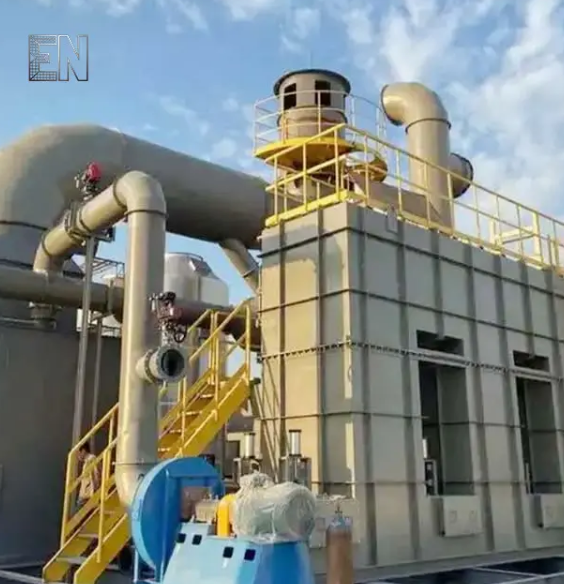
The advancement of waste gas treatment technologies has been driven by the need for more efficient and sustainable solutions. Technologies such as UV waste gas treatment equipment and acid waste gas purification towers are at the forefront of this evolution. These technologies are designed to target specific pollutants and offer tailored solutions for different industrial needs.
UV waste gas treatment equipment uses ultraviolet light to break down pollutants in exhaust gases. This method is particularly effective for treating VOCs and other organic compounds. The UV light initiates a photochemical reaction that decomposes pollutants into less harmful substances. This technology is advantageous due to its high efficiency and low energy consumption.
Acid waste gas purification towers are designed to neutralize acidic components in waste gases. These towers use a scrubbing process where the acidic gases are absorbed into a liquid medium, typically water or a chemical solution, which neutralizes the acidity. This method is widely used in industries that emit sulfur dioxide and other acidic gases.
The waste gas treatment process involves several stages, each tailored to address specific pollutants. The process typically begins with the collection of waste gases, followed by their treatment using various methods. The final stage involves the release of treated gases into the atmosphere, ensuring they meet environmental standards.
In the chemical sector, waste gas treatment is crucial due to the diverse range of pollutants emitted. Common methods include catalytic converters, scrubbers, and thermal oxidizers. These methods are designed to handle the complex chemical compositions of waste gases, ensuring efficient removal of pollutants.
Waste to energy plants convert waste materials into energy, resulting in the emission of flue gases. Flue gas treatment in these plants is essential to minimize environmental impact. Technologies such as electrostatic precipitators and fabric filters are used to remove particulate matter, while scrubbers and selective catalytic reduction systems address gaseous pollutants.
The economic aspect of waste gas treatment is a significant consideration for industries. The cost of implementing and maintaining treatment systems can be substantial, but the benefits often outweigh the expenses. Investing in a cheap waste gas treatment system can lead to long-term savings through improved efficiency and compliance with environmental regulations.
Obtaining quotes for waste gas treatment systems involves evaluating various factors, including the type of pollutants, the volume of emissions, and the specific needs of the industry. Companies often provide customized solutions, and the cost can vary significantly based on the complexity of the system and the technologies employed.
Waste gas treatment is a critical component of industrial operations, ensuring that emissions are managed effectively to protect the environment and public health. With advancements in technology and a growing emphasis on sustainability, industries have access to a wide range of solutions tailored to their specific needs. As we continue to innovate and improve these systems, the future of waste gas treatment looks promising. For those interested in exploring further, the waste gas treatment equipment solution provides a comprehensive overview of available technologies and methods.
1. What is the primary goal of waste gas treatment?
The primary goal is to reduce the environmental impact of industrial emissions by removing or neutralizing harmful pollutants before they are released into the atmosphere.
2. How does UV waste gas treatment equipment work?
It uses ultraviolet light to initiate photochemical reactions that break down pollutants into less harmful substances, making it effective for treating VOCs.
3. Why is biological waste gas treatment considered eco-friendly?
It utilizes natural processes and microorganisms to degrade pollutants, resulting in minimal environmental impact and sustainability.
4. What factors influence the cost of a waste gas treatment system?
The cost is influenced by the type of pollutants, emission volume, system complexity, and technologies used.
5. What are common methods used in the chemical sector for waste gas treatment?
Catalytic converters, scrubbers, and thermal oxidizers are commonly used to handle complex chemical compositions of waste gases.
6. How do waste to energy plants treat flue gases?
They use technologies like electrostatic precipitators and fabric filters to remove particulate matter, and scrubbers for gaseous pollutants.
7. What is the significance of obtaining waste gas treatment system quotes?
Quotes help industries evaluate costs and customize solutions based on specific needs, ensuring efficient and cost-effective treatment systems.


