


Views: 0 Author: Site Editor Publish Time: 2025-12-22 Origin: Site


Did you know that wastewater is one of the biggest challenges to environmental sustainability? Improperly treated wastewater can damage ecosystems and threaten public health.
In this article, we will explore the common waste water treatment processes that help mitigate these issues. You will learn how each treatment stage, from preliminary steps to advanced filtration, contributes to cleaner water and a healthier environment.
Preliminary treatment is the first step in the wastewater purification process. It primarily involves removing large debris and particles that could damage the machinery and disrupt the flow of water. This phase ensures that the rest of the treatment process runs smoothly.
● Screening: The influent wastewater passes through bar screens that remove large objects such as plastic bags, sticks, and rags. These items are too big to be treated and would cause equipment failure if not removed.
● Grit Removal: Wastewater flows through grit chambers, where sand, pebbles, and other heavy materials settle out. This step protects the downstream equipment from wear and tear.
Tip: Regular maintenance of the screening and grit removal stages is crucial for reducing costly equipment repairs.
The primary sedimentation stage is a physical process designed to remove the heavier particles from wastewater. It uses large settling tanks to allow solid materials to sink and lighter materials to float. This separation process helps eliminate a large portion of the solid waste before further treatment.
● Sedimentation Tanks: These tanks allow wastewater to sit for several hours. During this time, heavy solids (sludge) sink to the bottom while lighter materials (scum) float on top. Both are then removed.
● Sludge Removal: The sludge that settles at the bottom is pumped out and sent for further processing or disposal.
Tip: Proper control of the flow rate into sedimentation tanks is essential for optimizing solid removal and improving treatment efficiency.
Biological treatment is the next major step in wastewater treatment. It uses microorganisms to break down organic pollutants. The activated sludge process is one of the most commonly used biological methods for secondary treatment.
● Aeration: Air is pumped into aeration tanks to encourage the growth of bacteria. These bacteria feed on organic matter in the water, breaking it down into less harmful substances.
● Microbial Activity: The bacteria consume dissolved organic material, converting it into sludge, which can then be removed in the next phase.
After the wastewater has passed through the aeration stage, it enters secondary clarifiers, where remaining solid particles (including some bacterial sludge) settle out.
● Return Sludge: Part of the settled sludge is sent back to the aeration tanks to boost microbial activity.
● Effluent Quality: The water that exits the secondary clarifier is much cleaner, with significantly reduced organic content.
Tip: Monitoring the concentration of dissolved oxygen in the aeration tanks is key to maintaining optimal conditions for bacterial growth.
Tertiary treatment aims to further refine the quality of the treated water. This process removes the finer particles that the previous stages couldn’t filter out.
● Sand Filtration: Water passes through a sand filter that captures smaller particles.
● Advanced Filters: In some systems, finer filtration methods like membrane filtration or activated carbon are used to remove even smaller contaminants.
Disinfection is an essential step to ensure that all pathogens, bacteria, and viruses are eliminated before water is released into the environment or reused.
● Chlorine: Chlorine is often used in municipal plants to disinfect water. It’s highly effective at killing most harmful organisms.
● Ultraviolet (UV) Light: UV light disinfection is an alternative method that doesn’t involve chemicals, offering an eco-friendly option.
● Ozone Treatment: Ozone can also be used for disinfection, particularly for removing difficult contaminants.
Excess nutrients like nitrogen and phosphorus can lead to environmental problems such as eutrophication, which harms aquatic life. Tertiary treatment involves removing these nutrients to protect ecosystems.
● Denitrification: Special bacteria are used to remove nitrogen from wastewater.
● Phosphorus Removal: Chemical or biological processes are used to remove phosphorus from the treated water.
Table: Key Processes in Tertiary Treatment
Process | Method | Purpose |
Filtration | Sand or membrane filtration | Remove fine particles |
Disinfection | Chlorine, UV light, or ozone | Eliminate pathogens |
Nutrient Removal | Denitrification and chemical processes | Remove nitrogen and phosphorus |
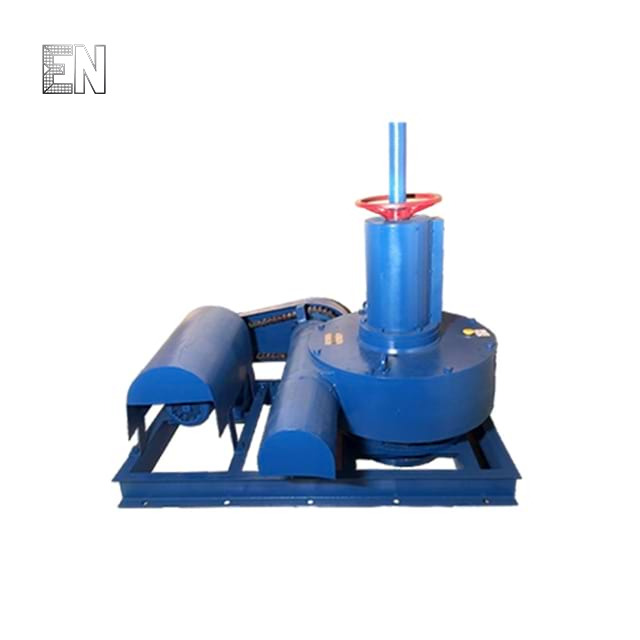
Coagulation and flocculation are used to remove very fine particles that cannot be captured by sedimentation alone. In this process, chemicals are added to the water to cause small particles to clump together into larger flocs, which can then be removed.
● Coagulants: Chemicals like alum are used to destabilize particles.
● Flocculation: Gentle mixing encourages the particles to form larger clumps (flocs).
Sludge is a by-product of wastewater treatment that contains high concentrations of organic material. It must be treated properly to reduce its volume and make it safe for disposal or reuse.
● Sludge Digestion: In anaerobic digesters, microorganisms break down organic matter in the sludge, producing biogas (methane) as a by-product.
● Sludge Disposal: Treated sludge can be incinerated, used as fertilizer, or sent to landfills.
Tip: Investing in efficient sludge treatment systems can help reduce disposal costs and generate renewable energy.
Membrane bioreactors (MBRs) combine biological treatment and membrane filtration in one system. MBRs provide superior filtration and are increasingly used in municipal and industrial wastewater treatment.
● High Efficiency: The membranes remove even the smallest particles, resulting in high-quality effluent.
● Compact Design: MBRs require less space compared to traditional treatment plants, making them suitable for urban areas.
Decentralized systems are designed to treat wastewater at or near the source, such as small communities or individual homes. These systems can be more cost-effective and environmentally friendly.
● Septic Systems: The most basic form of decentralized treatment, ideal for rural areas.
● Advanced Systems: More sophisticated systems use biological processes or filtration to treat wastewater before discharge.
Wastewater treatment is an essential service, but it faces numerous challenges. Aging infrastructure, increasing demand, and emerging contaminants are just a few of the hurdles.
● Infrastructure: Many treatment plants are operating with outdated equipment that requires costly upgrades.
● Emerging Contaminants: New pollutants, such as pharmaceuticals and personal care products, are more difficult to remove using conventional methods.
● Climate Change: Extreme weather events and rising sea levels could impact wastewater systems, requiring new adaptive strategies.
Tip: Investing in new technologies and upgrading infrastructure can help facilities keep up with growing demands and emerging contaminants.
Wastewater treatment is essential for protecting our environment and public health. By understanding the key processes involved, we can better appreciate the role they play in ensuring clean water. In this article, we explored the stages of wastewater treatment, from screening to advanced disinfection methods.
For businesses looking to improve their wastewater management, solutions from companies like Eco Nova Group offer advanced systems that efficiently treat wastewater while promoting sustainability. Their products are designed to optimize performance, ensuring cleaner water and a healthier environment.
A: Wastewater treatment is the process of removing contaminants from wastewater to produce clean, reusable water. This involves various stages such as screening, sedimentation, biological treatment, and disinfection.
A: Wastewater treatment is essential to protect public health and the environment. It removes harmful pollutants, prevents waterborne diseases, and ensures safe water for ecosystems and human use.
A: Biological treatment uses microorganisms to break down organic pollutants in wastewater. Aeration is used to promote the growth of bacteria that feed on organic matter, turning it into sludge.
A: Advanced wastewater treatment methods, like filtration and nutrient removal, provide cleaner water by removing fine particles and harmful chemicals, ensuring water quality for discharge or reuse.
A: The costs of wastewater treatment systems vary depending on factors like the size of the system, the treatment methods used, and the specific needs of the facility. However, investing in efficient systems reduces long-term maintenance costs.
A: Membrane bioreactors combine biological treatment with membrane filtration to efficiently remove fine particles, producing high-quality effluent while requiring less space compared to traditional systems.


