


Views: 0 Author: Site Editor Publish Time: 2025-12-18 Origin: Site


Did you know that wastewater treatment accounts for up to 40% of a treatment plant's energy costs? With growing demands for water conservation and sustainability, improving wastewater treatment efficiency is more critical than ever. Waste Water Treatment processes are essential for safeguarding public health and protecting our environment.
In this article, we’ll explore practical ways to boost efficiency in wastewater treatment, from modern technologies to process optimization. You’ll discover how upgrading systems and implementing smart solutions can help reduce costs and improve performance.
The design and technology of a wastewater treatment system play a crucial role in determining its efficiency. Implementing modern technologies and upgrading outdated systems can significantly improve treatment outcomes.
Technologies like Membrane Bioreactors (MBRs) and Integrated Fixed-Film Activated Sludge (IFAS) systems improve biological treatment efficiency by enhancing the removal of organic matter and nutrients. These systems use advanced filtration methods, which result in cleaner effluent and reduced energy consumption. Membrane filtration systems, such as reverse osmosis, are particularly effective at removing pollutants that traditional methods fail to address, including heavy metals, pharmaceuticals, and microplastics.
Integrating smart sensors and automation tools, such as SCADA (Supervisory Control and Data Acquisition) systems, can also enhance treatment efficiency. These technologies enable real-time monitoring of key parameters such as dissolved oxygen (DO) levels, temperature, and flow rates. Automated systems can adjust the treatment process in real-time, ensuring optimal performance and reducing energy waste. This also helps prevent over-treatment and minimizes chemical dosing, which contributes to operational cost savings.
Tip: Implementing AI-driven predictive maintenance tools can further optimize the operation of wastewater treatment plants by preventing downtime and reducing the frequency of costly repairs.
Operational management is another critical factor in improving wastewater treatment efficiency. Streamlining processes, optimizing chemical dosing, and minimizing energy consumption are essential for achieving long-term cost savings.
One of the most energy-intensive processes in wastewater treatment is aeration. Aeration systems are used to provide oxygen for the biological treatment of wastewater. By using dissolved oxygen meters and adjusting the airflow based on real-time water quality data, facilities can optimize aeration and reduce electricity consumption. Likewise, adjusting chemical dosing based on the actual needs of the wastewater helps avoid overuse, saving both chemicals and operational costs.
Tip: Regular audits of chemical dosing equipment can help identify inefficiencies and ensure that chemicals are only added when necessary, leading to significant savings.
Variable Frequency Drives (VFDs) allow pumps and blowers to adjust their speed according to real-time demand, ensuring that energy is used only when needed. By installing VFDs on critical equipment like pumps and blowers, plants can significantly reduce energy consumption, which is a major cost factor in wastewater treatment. VFDs are especially effective in systems with fluctuating water flow, as they allow the plant to adjust to variable demand while maintaining treatment efficiency.
Tip: Conducting regular pump audits to ensure that pumps are correctly sized and operating efficiently can help further reduce energy costs.
Incorporating resource recovery strategies into wastewater treatment processes not only improves efficiency but also provides additional environmental and economic benefits.
Anaerobic digestion is commonly used to treat sludge and produce biogas, a renewable energy source. By installing biogas recovery systems, wastewater treatment plants can generate electricity and heat from the methane produced during digestion. This reduces the facility’s reliance on external energy sources and contributes to a circular economy by utilizing waste to generate valuable resources.
Water reuse is another effective strategy for improving efficiency. By implementing ZLD systems, plants can recycle treated wastewater for non-potable uses such as industrial processes or irrigation. This not only conserves freshwater resources but also reduces the need for additional treatment steps, contributing to operational cost savings.
Tip: Installing ZLD systems can help wastewater treatment facilities achieve significant water conservation goals and meet increasingly strict environmental regulations.
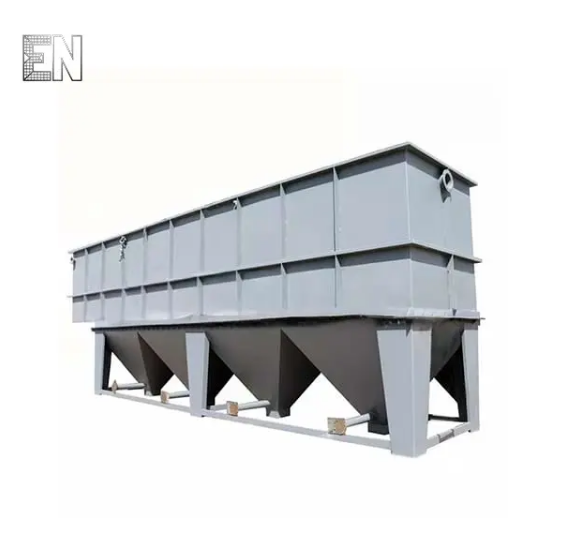
Upgrading outdated equipment and infrastructure is one of the most effective ways to improve wastewater treatment efficiency. While the initial investment may be substantial, the long-term benefits in terms of energy savings, reduced maintenance costs, and improved treatment outcomes make it a worthwhile investment.
Older equipment, such as pumps, motors, and aerators, can become inefficient over time. Replacing these components with energy-efficient versions can significantly reduce energy consumption and improve system performance. For instance, upgrading to high-efficiency submersible mixers or energy-saving pumps can lead to lower operating costs and increased efficiency.
Upgrading infrastructure to include smart metering, real-time data monitoring, and automated control systems can provide valuable insights into system performance. These systems allow operators to track key performance indicators (KPIs) and identify inefficiencies in real time, ensuring that the treatment process remains optimized at all times.
Automation is a key factor in improving the precision and efficiency of wastewater treatment processes. By automating processes like chemical dosing, aeration control, and sludge management, plants can achieve more accurate results while reducing labor costs.
Automating the dosing of chemicals ensures that the right amount of chemicals is added at the right time. This reduces waste, prevents over-dosing, and ensures consistent water quality. Automated systems can be integrated with data analytics platforms to adjust dosing based on real-time water quality data, further optimizing the process.
AI and machine learning tools can be used to predict when equipment is likely to fail, allowing for proactive maintenance. This reduces downtime, extends the lifespan of equipment, and minimizes repair costs. By leveraging data from sensors and historical performance, AI models can forecast when maintenance is needed and automate scheduling.
Tip: Regularly review performance data from automated systems to ensure they are functioning as expected and make adjustments when necessary.
Data analytics plays a crucial role in improving wastewater treatment efficiency. By analyzing performance data, wastewater treatment plants can identify inefficiencies and make informed decisions about process optimization.
Tracking KPIs such as energy consumption, chemical use, and sludge production is essential for monitoring efficiency. By gathering baseline data and comparing it over time, operators can assess the impact of improvements and identify areas that need further attention. Data analytics platforms can also help visualize trends and highlight potential issues before they escalate into costly problems.
Tip: Regular performance reviews based on data analytics can help facilities stay on track with efficiency goals and adjust processes as needed.
Establishing realistic goals and benchmarks is essential for guiding efficiency improvements. By setting clear KPIs and regularly benchmarking performance against industry standards, wastewater treatment plants can track their progress and identify areas for further optimization.
Tip: Use historical performance data to set realistic goals and measure the effectiveness of each efficiency improvement.
Many industries have successfully implemented advanced technologies and process optimizations to improve wastewater treatment efficiency. For example, a large pharmaceutical company replaced its outdated aeration system with Membrane Bioreactors (MBRs), resulting in a 30% reduction in energy consumption and a significant improvement in effluent quality. The new system also reduced the need for chemicals, lowering operational costs.
In municipal wastewater treatment plants, implementing smart sensors and automated systems has resulted in improved efficiency. One municipality adopted AI-driven predictive maintenance for its pumps, leading to a 20% reduction in energy costs and a 15% decrease in downtime. By optimizing chemical dosing and aeration, the plant also reduced its chemical consumption by 25%.
Incorporating resource recovery into wastewater treatment processes offers a dual benefit of improved efficiency and environmental sustainability. Facilities can capture biogas through anaerobic digestion, reducing energy costs and providing a renewable energy source. Additionally, water reuse through Zero Liquid Discharge (ZLD) systems conserves freshwater resources and reduces the need for additional treatment.
Table 1: Comparison of Treatment Systems
Treatment System | Energy Consumption | Efficiency Level | Typical Application |
Membrane Bioreactors (MBR) | Moderate | High | Municipal and industrial wastewater |
Reverse Osmosis (RO) | High | Very High | Desalination and high-quality effluent |
Integrated Fixed-Film Activated Sludge (IFAS) | Low to Moderate | High | Biological treatment of industrial wastewater |
Zero Liquid Discharge (ZLD) | Low | High | Water reuse in industrial applications |
Improving wastewater treatment efficiency is key to reducing costs and protecting the environment. Upgrading equipment, leveraging modern technologies, and optimizing processes can make a significant impact. Eco Nova Group provides cutting-edge solutions that enhance treatment efficiency. Their products offer advanced capabilities for optimizing wastewater management, ensuring sustainability and long-term cost savings.
A: Waste water treatment efficiency depends on system design, technology upgrades, operational management, and resource recovery strategies like biogas production and water reuse.
A: Automation improves precision in chemical dosing, aeration, and sludge management, reducing energy consumption and operational costs in waste water treatment.
A: Upgrading equipment, such as pumps and aerators, reduces energy consumption and maintenance costs, improving overall efficiency in waste water treatment.
A: Data analytics helps track performance metrics and identify inefficiencies, enabling real-time adjustments and long-term optimization of waste water treatment processes.


